
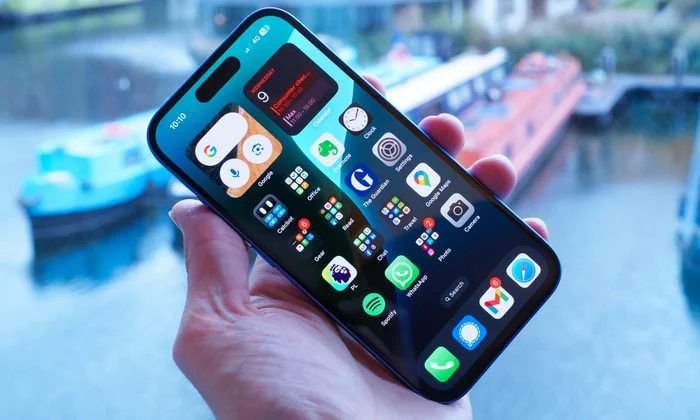
Nowadays, you can talk into your phone, and the person on the other end of the phone instantly hears your voice across whatever distance, even far across the Atlantic in another country, which is pretty amazing as there is practically 0 delay with little to no interference as well!
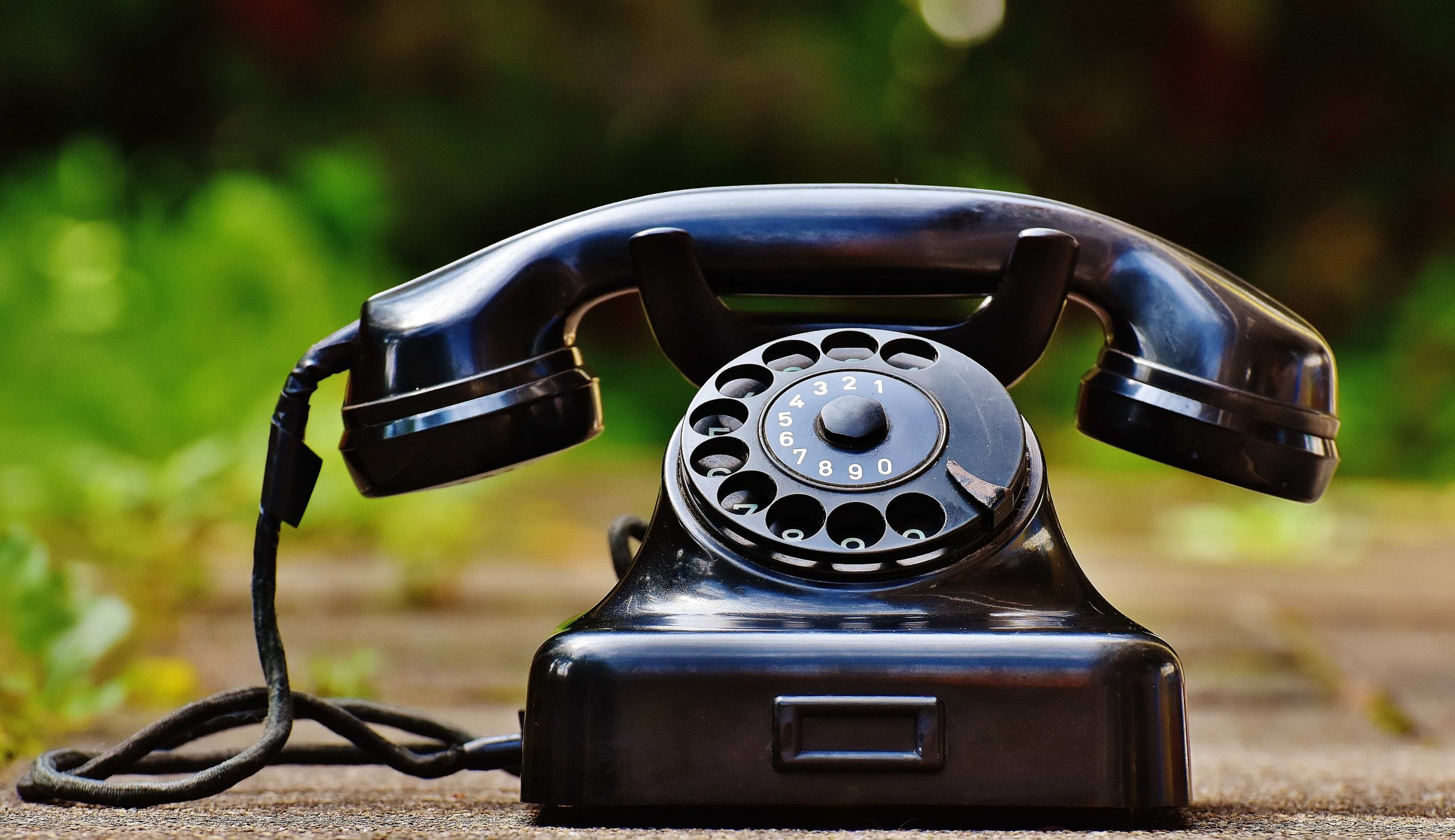
But this wasn’t always the case, especially when phones were analog. The best way to think of an old analog telephone is to think of sound as a continuous wave, such as a ripple in a pond. These early telephones worked very similarly by converting your voice into a continuous electrical wave. Just like ripples in a pond, they can get messy and distorted by environmental factors and debris which would pick up static and noise over long distances which makes talking to someone far away difficult to interpret.
A new modern phone uses digitization to solve this problem. It converts your analog voice into a stream of ones and zeroes, which is then sent to telecom towers which can distribute this stream of ones and zeroes seamlessly and long distances with little to no interference or delay to another phone which then decodes this digital stream of zeroes and ones back into analog sound waves.
Overall, the switch from analog to digital really transformed the modern world as we know it, any form of information is easily distributed across the world anytime and anywhere with zero to no delay which is really impressive feat of modern day technology.