
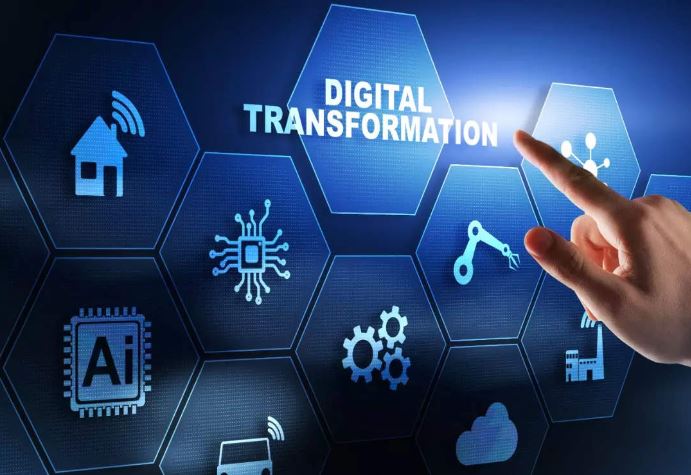
When I think about the difference between a digital object and its “natural” counterpart, the first thing that jumps out is how much easier digital versions make our lives. Take digital textbooks. They’re lighter, searchable, and often cheaper. With a few keystrokes, I can jump to a concept instead of flipping endlessly through pages. That level of accessibility is something the physical world can’t compete with. Digital objects are also infinitely reproducible, which means more people can access the same ideas at the same time.
But something is definitely lost in translation. The natural world has texture, weight, and physical presence, qualities that digital copies can’t fully emulate. Digital objects can also feel more temporary or disposable; a file can vanish with a corrupted drive, but a worn book carries history.
Ultimately, digitization gives us speed, sharing, and convenience, but it takes away the sensory depth and emotional presence of natural objects. It’s a trade-off that shapes how we learn, create, and remember.
Here’s the source to help me generate an general idea of what to write.
Source:
“Create a blog post for each respective bullet point.”, Gemini, 07 Dec. version, Gemini 2.5 Flash, 25 Sep. 2025, Google Gemini.